

Pollinator Pathway
Lower Merion and Narberth


Benefits of joining the pathway
Cooperation across our landscapes—that are otherwise fragmented by property lines, roads, and buildings—could reunite the natural world that we depend on.
Native plants not only benefit pollinators but also help to support the biodiversity of all animals. Because insects evolved with our native plants, they depend on them for food, particularly in their larval stages. The caterpillars of essential pollinators like butterflies and moths are a main food source for reproducing songbirds, and these caterpillars cannot live on non-native plants in traditional landscapes.
Pollinators also cross-pollinate trees, shrubs, and wildflowers ensuring that they produce viable fruit and seed to help repopulate our woodlands and feed migrating birds. Native plant corridors could also be the refuge animals need as they move from less hospitable environments during climate change.
Providing pollinator habitat connected with neighbors ensures a healthy continuation of nature, clean air, climate mitigation, healthier streams, and living landscapes that delight us with their animation.
Simple Steps to be on the Pathway
Plant native plants for habitat and stormwater management
Remove non-native invasive species over time (and replace with native plants)
Avoid using pesticides and synthetic fertilizers
Leave winter habitat for pollinators (leaves, stems)
Implementation Ideas
Convert lawn areas to ecologically more valuable plantings
Capture stormwater by creating shallow depressions in your yard that are planted with deeply-rooted native plants (rain depression pollinator gardens)
Add new native trees, shrubs, and perennials throughout your landscape
Protect existing native trees
Create native streamside buffers
Create pollinator garden planters where in-ground planting is not possible
Instead of using pesticides, encourage natural insect predators by maintaining diverse and sustainable habitats
Avoid or reduce road salt and other ice melts
Resources for Lower Merion and Narberth Pathways
https://www.pollinator-pathway.org/merion-narberth-resources
Click here to purchase a 6" sign showing your space on the Pollinator Pathway
Email Tom at Tom@lmconservancy.org with your stormwater questions.
Partners
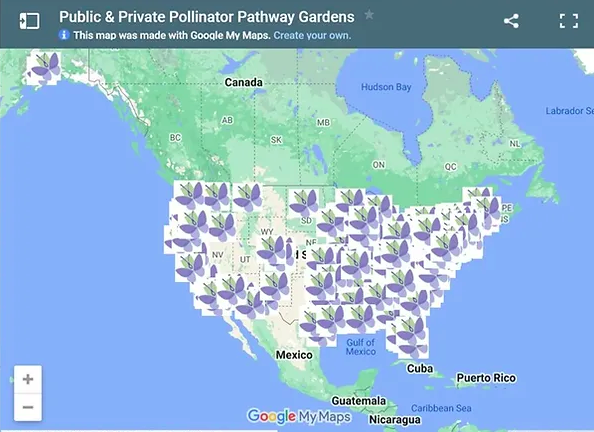
The Lower Merion and Narberth Pollinator Pathway is a collaboration between the Lower Merion Conservancy, the Narberth Area Garden Club, the Friends of West Mill Creek Park, the Penn Valley Civic Association, and local residents to encourage the establishment of a corridor of pollinator and stream-friendly public and private properties within our local watersheds.