Pollinator Pathway
Mobile

Mobile, Alabama Pollinator Pathway
The Mobile Pollinator Pathway is growing through the efforts of Gulf Coast Creation Care and local churches, schools, environmental organizations, and community members working to restore habitat for pollinators and other wildlife. By encouraging the use of native plants and creating pollinator gardens throughout the community, the initiative is helping build a connected network of habitat across Mobile. These gardens provide food and shelter for bees, butterflies, birds, and other wildlife while also creating opportunities for education, stewardship, and community involvement.
Learn more: https://gulfcoastcreationcare.org/creation-care-nativepollinatorgardens
Public Gardens


Central Presbyterian Church Community Garden Pollinator Garden
The Central Presbyterian Church Community Garden Pollinator Garden was recently started by adding plantings to 2 small areas, approximately 12 feet long x 2 feet wide on either side of the entrance to the children's playground. It is located directly across the parking lot from the community garden. There is an apiary on the roof of the church that is supported by surrounding crepe myrtle trees and the community garden plantings of vegetables, herbs and fruit trees. There is also a 25 foot naturalized area with pollinator friendly plants running along the east side of the parking lot that has been there for several years.


St. Lukes Episcopal Church
1050 Azalea Rd, Mobile, AL 36693
Our garden is found set between numerous small boxwoods in front of a window which is visible from inside the church on Japonica. It was just planted this August. It was done in conjunction with our VBS.


Redeemer Episcopal Church
7125 Hitt Rd, Mobile, AL 36695
This pollinator garden at Redeemer Episcopal Church in Mobile, Alabama, features native plants that provide food and habitat for bees, butterflies, and other pollinators while creating a welcoming space for the church community.


Environmental Studies Center
6101 Girby Rd, Mobile, AL 36693
The pollinator garden is located at the Environmental Studies Center. It is used in a pollinator program for students in conjunction with the bee hives we have on campus. Students can use it as part of a scavenger hunt and/or with an observation sheet to help identify insects on color preferences.
The seeds are a variety of wildflowers that was marketed as a premium southeastern native plant mix and includes Rudbeckia hirta), Purple Coneflower (Echinacea purpurea), Butterfly Milkweed (Asclepias tuberosa), Partridge Pea (Chamaecrista fasciculata), and Switchgrass (Panicum virgatum) as well as basil and other herbs.


Taylor Park
1050 Baltimore St, Mobile, AL 36605
The pollinator garden is located within the Taylor Park Community Garden. It was built several years ago by children attending the Taylor Park Afterschool Program. Cinderblocks with concrete toppers were used to form the borders of the garden in the shape of a butterfly.
The garden was registered with the North American Butterfly Association and is also designated as a Certified Monarch Garden. The past 2 years we have participated in the Great Southeast Pollinator Count.
Mostly native plants are included in the garden, some of which were transplanted from another pollinator garden (the Bee Hive Community Garden) that was lost when the property was sold. Original plants in the Bee Hive Community Garden were all donated by area residents that also had pollinator gardens at their homes.
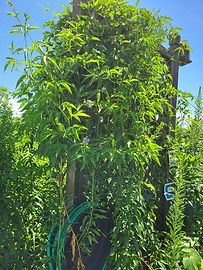
Many of the additional plants added to the garden were purchased from a local native plant nursery. The original pollinator plant, a purple aster, was already growing on the site of the garden so it was preserved and the garden was built around it. It continues to thrive in the current garden and is surrounded by goldenrod, passion vine, swamp hibiscus, cosmos, milkweed, tickseed, coneflower, swamp sunflower, lions ear, paw paw and many others. Surrounding the formal pollinator bed in the community garden are many other plants (fruits and vegetables) that attract butterflies and provide food and habitat.