Pollinator Pathway
Town of Highland

Welcome to the Town of Highland Pollinator Pathway!
Nestled along the Delaware River in western Sullivan County, the Town of Highland—Barryville, Eldred, Highland Lake, Minisink Ford, and Yulan—is working to create and protect habitat for pollinators and other wildlife. The community’s location within the Delaware River watershed makes these efforts part of a much larger landscape where healthy native plant communities support biodiversity, water quality, and connected habitat.
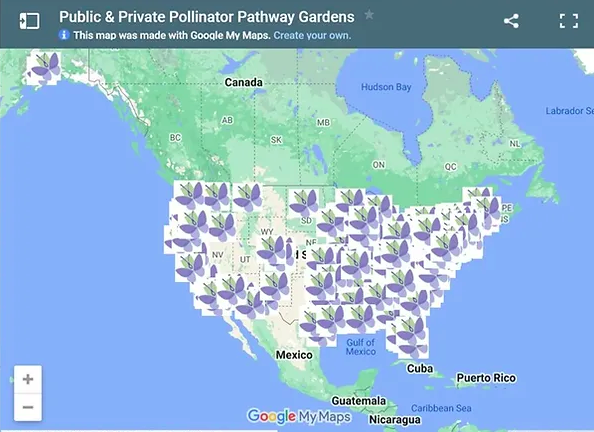
A great example is the Town of Highland Pollinator Garden, a community garden that demonstrates how native plants can provide essential food and habitat for monarch butterflies, bees, birds, and other pollinators. The project highlights the important role that towns, community organizations, and residents can play in creating a network of habitat across both public and private spaces.
The Town of Highland’s pollinator work has been supported by Sullivan 180 and builds on conservation efforts within the Delaware River watershed. The Town has also helped share information about monarch conservation, including the importance of native milkweed and nectar plants and pollinator-friendly land-management practices.
To learn more and get involved email: laura.burrell@townofhighlandny.com
Town Gardens


Town of Highland Pollinator Garden
NY-97, Barryville, NY
The Town of Highland Pollinator Garden is a Sullivan 180 grant-funded project located just off Scenic Route 97, along the TowPath Trail and up the bank of the Delaware River. Inspired by the discovery of a chrysalis on the site, the garden was created to support butterflies, hummingbirds, caterpillars, and other pollinators while offering beauty and education for local residents and regional visitors.
The planting showcases native perennial species that visitors can recognize and bring into their own gardens. To manage existing Japanese knotweed, we established a grass barrier to help contain its spread and give the native planting space to thrive.