
Noah's Ark for Native Plants
I'm a paragraph. Click here to add your own text and edit me. It's easy.
I consider my property to be a Noah's Ark for native plants, many rarely seen anymore in the area due to over development and invasive plant pressure. I strive for the widest array of species possible and that includes over 115 species in my front yard alone. The yard is composed of five planting areas: a sunlit wildflower meadow, a moon garden with white and night-blooming plants, a shade garden, a rain garden and a sunset garden. The garden is a magnet for wildlife with 75 bird species, 8 mammal species, 6 reptile and amphibian species, 27 butterfly species, 24 moth species, 12 bee species, and over one hundred other insect species having been recorded. There are no fertilizers or pesticides used in the garden.
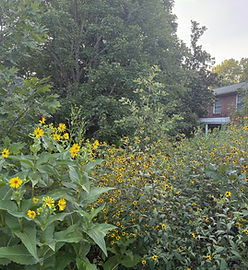

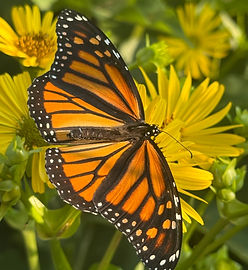
Cup Plant, Frostweed, Ironweed, shrubby St. John's wort, late purple aster, common milkweed, Crossvine, Yellow Jessamine, wax myrtle, paw paw, red buckeye, coral honeysuckle, partridge pea, butterfly weed, black eyed Susan, spotted bee balm, Indian Grass, evening primrose, lanceleaf coreopsis, Virginia mountain mint, purple coneflower, Stokes aster, rosinweed, Maryland golden aster, narrow leaf mountain mint, false aster, New Jersey Tea, witch hazel, buttonbush, narrowleaf mountain mint, American mountain mint, coral berry, red chokeberry, black chokeberry, false indigo bush, rattlesnake master, tall goldenrod, nuttall oak, shumard oak, chinkapin oak, cherrybark oak, chestnut oak, shellbark hickory, spicebush